
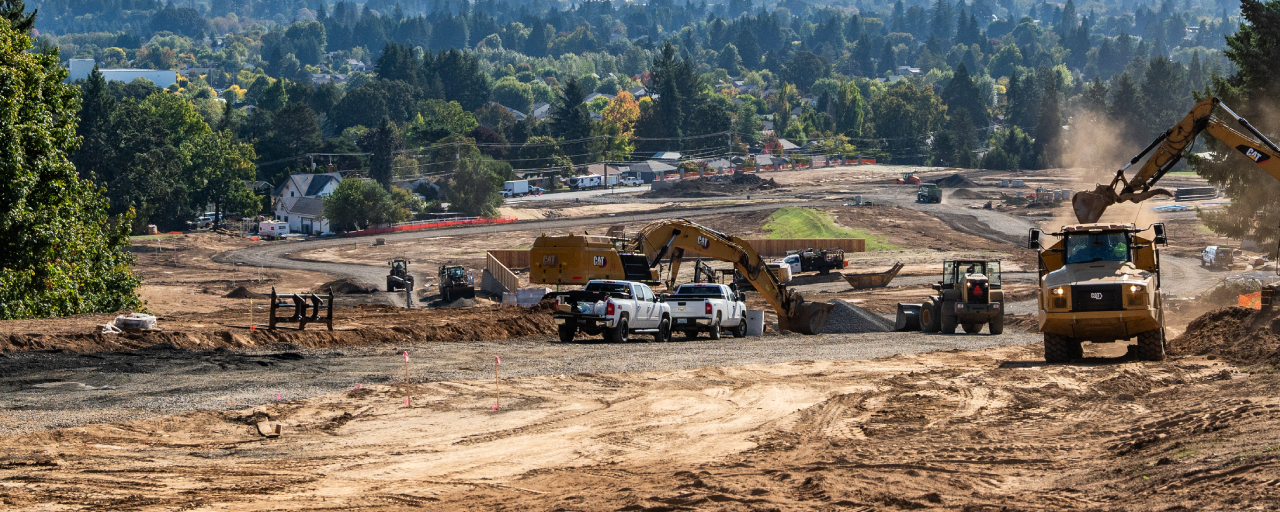
Heat exposure looks different depending on the job. A paving crew working beside live traffic faces different risks than a utility crew restoring service after a storm.
That's why heat stress awareness has to go further than telling crews to drink water and watch for symptoms. For civil and infrastructure crews, it should be part of a written heat illness prevention plan that supervisors apply before and during every shift. Before heat illness shows up on the job, supervisors can evaluate four things: the weather, the work, the crew, and the gear.
Table of contents
What Heat Stress Awareness Means in the Field
For outdoor crews, heat stress awareness starts with the conditions of the current shift. Supervisors need to understand how heat will affect the work in front of them, not just recognize heat exhaustion after symptoms appear.
The National Institute for Occupational Safety and Health (NIOSH) defines occupational heat stress as the combined effect of metabolic heat, environmental heat, and clothing or PPE that adds to the heat stored in the body. That definition fits civil and infrastructure work, where crews often face several of those heat sources at once.
Clothing is part of that load from the start of the shift. Where the work allows it, NIOSH recommends breathable, light-colored, loose-fitting clothing: breathable fabrics support sweat evaporation, lighter colors reflect radiant heat from the sun, and a looser fit lets more air move between clothing and skin. Because protective clothing and PPE can add heat strain, apparel belongs in the plan rather than as an afterthought.
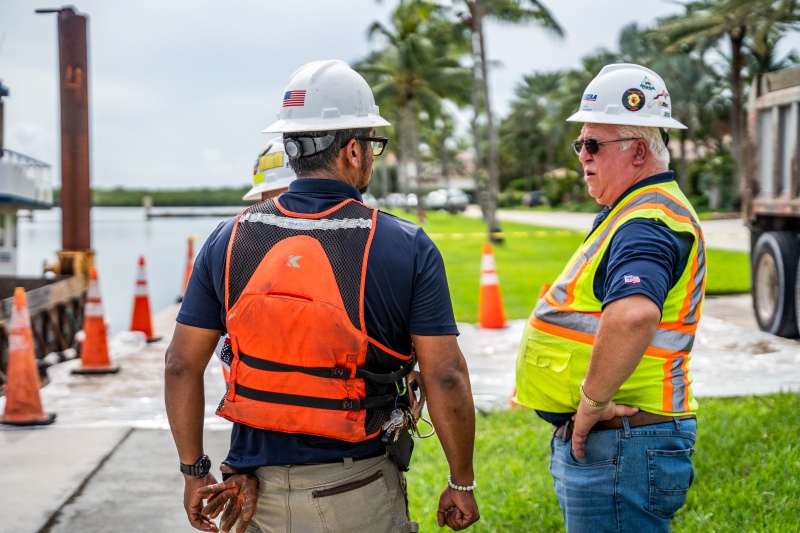
The exposure itself shifts from one crew to the next. A paving crew may work in direct sun on hot pavement, beside idling equipment, in a hard hat and high-visibility clothing. A utility or construction crew may be hand-digging, running saws, or pulling cable. In each case, the conditions, the workload, and the required gear can push the heat load up quickly.
Supervisors can start with one practical question: what makes this shift hot, and what are we changing because of it?
That question leads to field decisions such as:
- Moving heavier work to earlier in the day
- Rotating workers through high-exertion tasks
- Staging water closer to the active work area
- Planning recovery breaks before workers show symptoms
- Watching new or returning workers who may try to keep up too soon
These decisions turn a written plan into a field-ready process. The goal is to adjust the shift before the heat starts making decisions for the crew.
Why Civil and Infrastructure Crews Face Higher Heat Risk
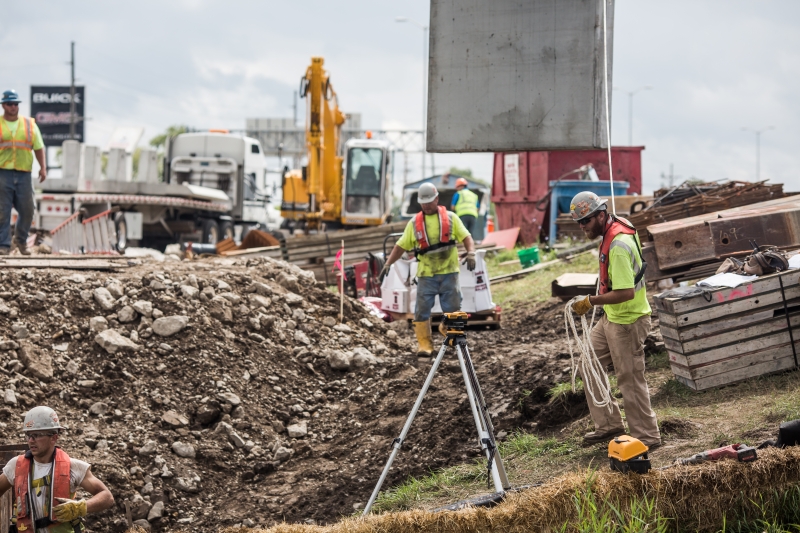
Civil and infrastructure crews often work where heat controls are hard to manage. The jobsite moves. Shade may be limited. Traffic control has to stay in place. Outages create urgency. Schedules keep running as the heat index climbs.
The outcomes reflect that exposure. According to The Center for Construction Research and Training (CPWR), construction workers make up about 7% of the U.S. workforce but accounted for more than a third of all occupational heat-related deaths in 2023, roughly 34% of fatal heat injuries that year. A crew paving blacktop, setting a lane closure, or restoring service after a storm needs controls that match the conditions directly in front of them.
Heat can also create secondary safety risks. NIOSH notes that heat can contribute to sweaty hands, slipping, fogged safety glasses, dizziness, fatigue, and PPE being loosened or removed. For road, utility, and construction crews, those issues can affect equipment operation, hand safety, traffic exposure, and decision-making.
What OSHA Expects Employers to Know
Employers should treat heat as an active safety and compliance issue, even though federal OSHA has not finalized a heat rule. Safety and operations leaders should focus on a few points that matter most:
There's a proposed federal rule: OSHA published its Heat Injury and Illness Prevention proposed rule on August 30, 2024. It would apply to outdoor and indoor work in general industry, construction, maritime, and agriculture where OSHA has jurisdiction, and it would require a written heat illness prevention plan with controls tied to two heat-index triggers (an initial trigger at 80°F and a high-heat trigger at 90°F), along with water, rest, shade, acclimatization, and training.
The rule is not final: The public comment period closed in January 2025, an informal hearing ran through mid-2025, and post-hearing comments closed in October 2025. As of 2026, OSHA's rulemaking page still describes the rule as proposed.
Enforcement hasn't paused: OSHA's National Emphasis Program on heat, first launched in 2022, was set to expire on April 8, 2026, with no announced replacement. Even without it, OSHA can cite heat hazards under the General Duty Clause, so enforcement risk remains.
Some states already have their own standards: OSHA’s heat standards lists California, Colorado, Minnesota, Oregon, and Washington, with others considering rules.
The forecast isn't the whole picture: The OSHA-NIOSH Heat Safety Tool helps supervisors check the local heat index and review precautions, but the actual exposure also depends on the work being performed, direct sun, airflow, acclimatization, and clothing or PPE.
The takeaway for safety and operations leaders is clear: don't wait for a final federal rule before reviewing your plan. Check federal guidance, state requirements, customer rules, and the conditions crews actually face.
The 7-Point Pre-Shift Heat Safety Check
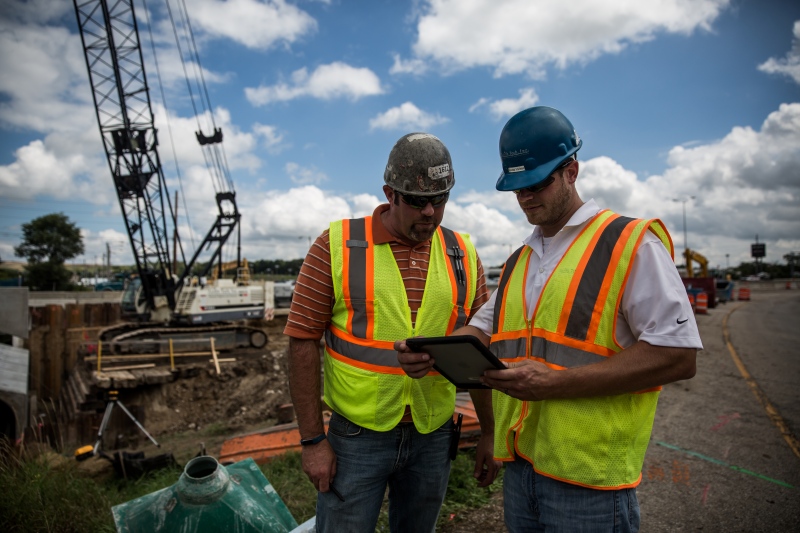
A written heat stress mitigation plan sets the framework. Supervisors still have to turn it into shift-by-shift decisions before work begins and as conditions change. The routine doesn't need to be complicated, but it should look past the forecast.
| Field Check | What to Ask Before Work Starts |
|---|---|
| Weather & work area | Will crews work in direct sun, on pavement, around equipment, or where airflow is limited? |
| Task intensity | Who's doing the highest-exertion work, such as shoveling asphalt, hand-digging, lifting materials, or setting traffic control? |
| Crew readiness | Who's new, returning from time away, or reassigned to hotter work than usual? |
| Water access | Is cool water close enough that workers will actually drink it during the shift? |
| Rest & shade | Where will workers recover, and will breaks increase as heat stress rises? |
| Emergency response | Who calls EMS, who gives directions, and what symptoms trigger immediate action? Are workers trained to spot heat stress in a partner? |
| Clothing & PPE | Does the required gear add heat burden or make workers likely to loosen or remove it? |
Water, rest, and shade: OSHA recommends cool water near the work and frequent drinking, plus electrolyte-containing fluids for work lasting more than two hours. As heat stress rises, rest breaks should get longer or more frequent, with a cool place to recover.
New and returning workers: Workers who are new, back from time away, or moving into hotter work need extra attention. OSHA and NIOSH recommend the Rule of 20 Percent: new workers start at 20% of the normal work duration in heat on day one, then add 20% each day, and some workers may need up to 14 days to fully adapt. A new laborer may try to match experienced crew members during hand-digging or material handling, so supervisors should manage that exposure early rather than waiting for the worker to ask for a break.
High-visibility apparel: Crews in the right-of-way still need to stay visible around traffic and equipment. MUTCD Part 6 requires high-visibility safety apparel meeting ANSI/ISEA 107 Performance Class 2 or 3, depending on the work. In hot conditions, uncomfortable gear tends to come off, so where the required class allows, breathable options help workers keep it on and wear it correctly through the shift.
Turning the Plan Into a Repeatable Process
The gap between a binder on a shelf and what happens at 2:00 PM on a hot jobsite usually comes down to two things: consistency and documentation. A pre-shift check that lives in one supervisor's head is hard to repeat across every crew, and a plan you can't show is hard to defend in an inspection.
That's where a digital safety process helps.
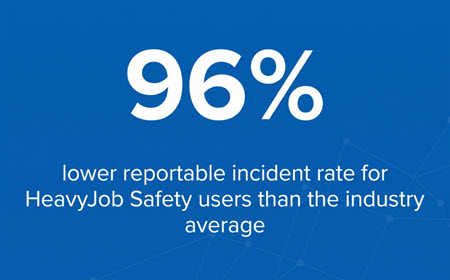
HeavyJob Safety lets civil and infrastructure contractors standardize the same pre-shift check, hazard reporting, and incident documentation across every jobsite, so heat controls don't depend on who's running the crew that day. Field teams can complete inspections and toolbox talks from any device, report symptoms or near-misses in real time, and keep the whole record in one place. Because the data connects to field operations in HeavyJob, supervisors work in the same tools their crews already use.
Used that way, a heat plan shifts from reactive to proactive. You standardize how every jobsite handles heat, track leading and lagging indicators to see where risk is building, and keep a clear record of who's acclimatizing and how the crew responded when the heat index climbed.
Put Your Heat Plan to Work
A heat plan only protects your crews if it runs the same way on every jobsite and every shift. HeavyJob Safety from HCSS gives civil and infrastructure contractors one place to standardize that plan and document what happens in the field.
Book a demo with one of our safety product experts to see how it works on your jobsites.